
Si la crise sanitaire a été un électrochoc pour toute l’industrie touristique concernant l’importance du numérique dans les affaires, son adoption par le grand public ne fera que s’accélérer en temps de relance. À quoi peut-on s’attendre en 2022?
Le tourisme culturel… en ligne?
Un sondage produit par la firme Léger réalisé l’an passé auprès des visiteurs du Quartier des spectacles de Montréal montrait que seulement 54% étaient prêts à retourner assister à un concert en festival une fois le confinement levé (71% pour les moins de 34 ans).
Le retour sur les lieux événementiels ne sera donc pas un automatisme. Lorea Goudour, analyste au Réseau de veille de la Chaire de tourisme Transat de l’ESG UQAM, souligne que «si la fatigue liée à la consommation culturelle à l’écran est bien réelle, les expériences hybrides vont viser un public différent qui correspond à une nouvelle réalité».
Par exemple, avec le confinement, le Centre Phi de Montréal, carrefour culturel de la réalité virtuelle (RV), avait proposé un service de location de casques de RV pour visionner sa programmation dans le confort de son salon et cela est devenu un vrai succès. Le CENTQUATRE-PARIS a même choisi de suivre leur exemple. Cet été, le Centre Phi a proposé un environnement complètement immersif à l’Arsenal avec son exposition L’Infini, qui permet une déambulation dans un grand espace tout en étant dans un environnement virtuel.
Il est maintenant possible, donc, de dire que l’invitation à voyager peut passer par le numérique.
Le numérique… en présentiel ?
ABBA Voyage est un concert prévu en 2022 du groupe pop suédois ABBA. Des avatars «holographiques» représenteront le groupe tel qu’il apparaissait en 1979. Les concerts «virtuels» ont lieu dans un espace de tout ce qui a de plus physique. Les vrais fans se déplaceront. Le numérique permet donc un retour au présentiel. Sur Twitter, le mot-clic #askABBA permet de rallier la communauté de fans qui comptent aller au concert.
La technologie des jeux vidéo et des effets spéciaux sort des studios et peut servir à attirer des foules à ces «concerts RV» et nous en sommes qu’aux premiers balbutiements.

Le métavers… d’entreprises?
Depuis plusieurs mois, dans les milieux de l’innovation, on entend beaucoup parler du concept de «métavers» qui est présenté comme un «double» de notre monde, un monde digital «permanent et parallèle au vrai monde» où plusieurs activités du travail et des transactions se feront. Microsoft a même parlé de créer un «métavers d’entreprises» qui pourrait transformer notre façon de travailler en ligne. Leur définition du métavers ressemble à une sorte de hub social futuriste, un espace où les avatars peuvent se rencontrer, un écosystème pour les applications connectées.
Au-delà du terme lui-même (qui renvoie à un monde de science-fiction à la Neuromancien, le roman de William Gibson, ou à Matrix, le film culte) c’est la reconduite de la promesse du «tout-numérique».
L’idée qui doit être retenue derrière cette expression de «métavers» est que la portion «virtuelle» de nos vies (télétravail, divertissement en ligne, réalité virtuelle et augmentée) nous amène de plus en plus à nous pencher vers des formes d’immersions numériques complémentaires à l’expérience sur le terrain.
Comme le contact humain est important dans le monde touristique, tout ne basculera pas en virtuel, loin de là. Mais ce qui s’en vient, c’est une «augmentation de nos expériences de voyage» par le numérique.
Deux exemples d’ici
Hoppin’ World, une startup du MT Lab, amène le public à découvrir des régions du Québec à l’aide de vidéos à 360° en «réalité virtuelle sociale». Cette «RV sociale» permet de se « téléporter » à plusieurs pour vivre l’émotion sans l’effet d’isolement du casque. Les attraits culturels touristiques peuvent ainsi être valorisés en amont de la visite avec une expérience guidée qui conserve le charme d’être en groupe tout comportant des vues inédites (par exemple, être sur la scène à côté du musicien, voler à bord d’un hélicoptère, etc.). Voilà une occasion pour les agences de voyages, par exemple, d’effectuer la promotion des expériences touristiques d’une destination. Pour en savoir plus : bit.ly/3usP2Hd.
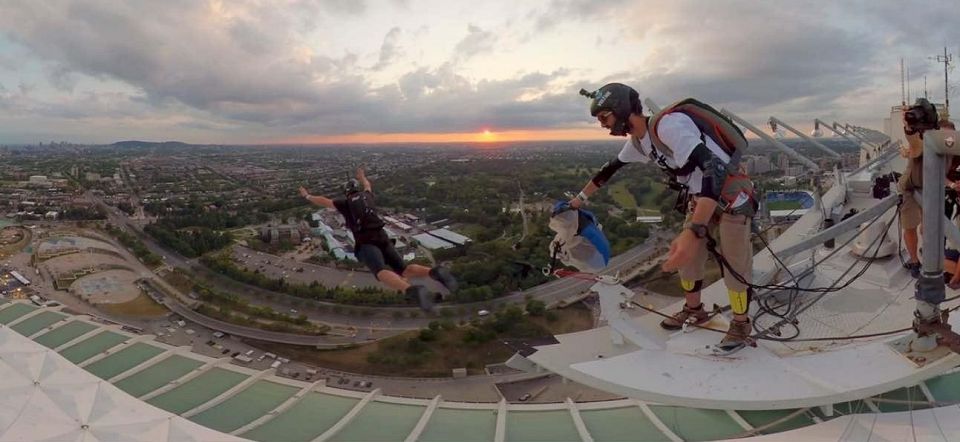
Prologue.AI est une autre jeune entreprise du MT Lab qui conçoit des expériences immersives en temps réel basées sur la localisation. Utilisant la réalité augmentée, la vision industrielle et la spatialisation sonore, les contenus «XR» (Extended reality) racontent des histoires situées dans des espaces spécifiques, publics ou privés, afin d’étendre l’expérience qu’offrent les attraits et les événements grand public. Une nouvelle forme de galeries à ciel ouvert permettant de découvrir différents endroits d’une ville de façon ludique, artistique et divertissante. Pour en savoir plus : bit.ly/3iksbsD.

Le meilleur des deux mondes
La numérisation de l’économie se poursuit donc et il est à parier que les «expériences numériques» feront partie de la relance en 2022. Le réseau 5G continue lui aussi son expansion et permettra d’amener à terme une granularité de l’expérience à la destination.
Originally published on October 4, 2021 on Tourisme Express
